The best-value adventure travel in Europe happens in the fortnight either side of summer. In April and May the valleys are green, the ski lifts are winding down and beds are cheap. In September and October the light turns golden, the trails empty and the mountains hand back some space. Treat shoulder season as a strategy rather than a date on the calendar. The trade-offs are real — snow on high passes, shorter days, the odd hut shut — but they are manageable with an hour of planning. Here are six affordable European ranges that reward a spring or autumn visit.
Peak-season Europe gets pricey fast. School holidays push up flights, car hire and accommodation, and the famous trails fill with people who all had the same idea. Outside those weeks the same mountains cost noticeably less and feel twice the size.
Weather becomes the wildcard. You might get crisp, cloudless days and long views; you might get three days of drizzle and cloud sitting on the ridge. Both are workable if you build slack into the itinerary and keep a low-level plan in reserve.
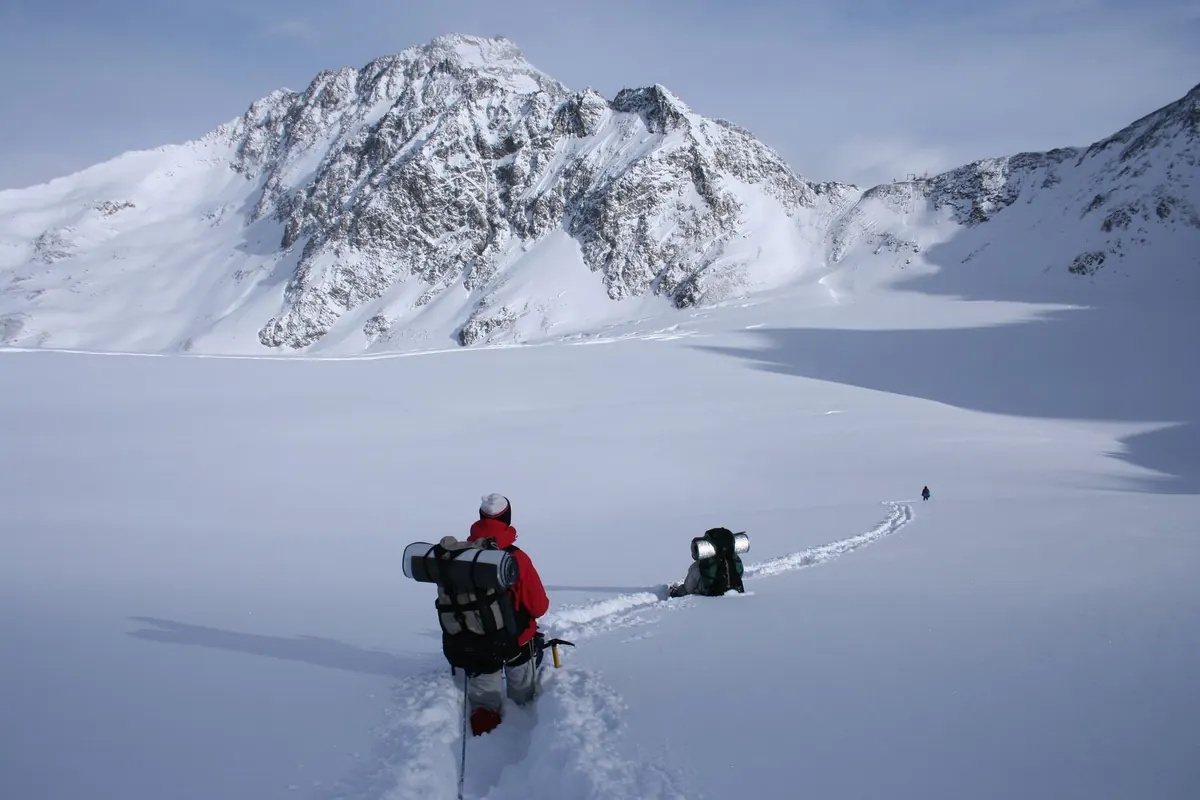
The Tatras are the smallest high range in the Alps' extended family and comfortably the cheapest to walk in. Base yourself in Poprad or one of the Tatra villages: a small electric railway connects the towns with the trailheads, so you can leave the car behind. Autumn is the sweet spot, with larch turning gold, clear air and a fraction of the summer footfall. Spring works too, though the highest ridges often hold snow into May — take advice locally rather than assuming a path is walkable.
An hour or so east, Slovenský raj — Slovak Paradise — is a limestone plateau sliced by ravines. Routes through the gorges use fixed ladders, wooden footbridges and chains, and several run one way only, so work out your exit before you commit. Waterproof footwear, gloves and a head for heights are essential. It is brilliant, cheap adventure walking, and outside July and August you will often have a gorge to yourself.
Romania offers big mountains on a small budget. The Făgăraș ridge, Piatra Craiului and the Apuseni mountains all have marked trails, village guesthouses and hearty, inexpensive food. Trains are slow but cheap, and buses reach most trailheads. Spring and autumn are the best windows: summer can be hot and stormy on the ridges, and the high Făgăraș often keeps snow into late spring and picks it up again in October.
One practical note: Romania has a healthy brown bear population. Keep food sealed and stowed, talk or sing on blind corners, never leave a pack unattended, and use bear-proof storage where it is provided. Check current conditions with Salvamont, the Romanian mountain rescue service, or a local guide before committing to a high traverse.
Slovenia gives you the Julian Alps without the Austrian or Italian price tag. Bovec and Kobarid are the bases for the Soča Valley, where spring snowmelt feeds some of the best rafting and kayaking in Europe, and autumn brings quiet trails through beech woods above the river. Bohinj is the calmer, cheaper alternative to Lake Bled, with lakeside paths and easy access into the mountains.
Buses run from Ljubljana, and shared transfers to trailheads are common in season. The Vršič pass road is high and closes with early snow, so check its status before planning a crossing. In October, several huts shut and the valley empties — which is exactly the point.
This is the best-value mountain country in Europe right now. The Valbona-to-Theth walk in Albania's Accursed Mountains takes you through a high pass between guesthouse villages, and spring and autumn are far more comfortable than the heat of July. Montenegro's Durmitor offers the Black Lake circuit and the rocky summit of Bobotov Kuk, while Bosnia's Sutjeska national park and the Via Dinarica long-distance route reward anyone with a taste for wild, unfenced country.
Logistics need patience. Border crossings, bus timetables and guesthouses change with the season, so confirm locally a day or two ahead rather than trusting a listing from last year. Carry some cash, as card machines are patchy in the villages.
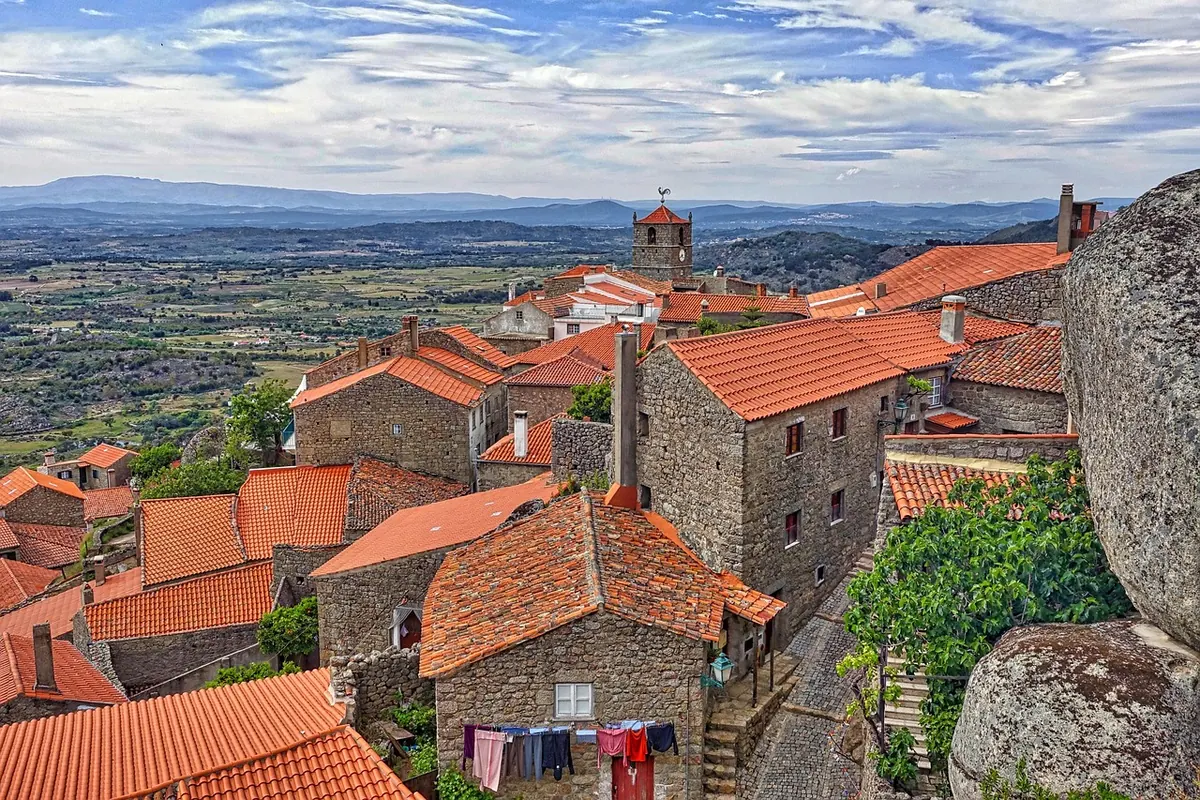
Spain's Picos de Europa gives you limestone towers, the Cares gorge and the Covadonga lakes. Summer brings shuttle buses and restrictions around the lakes; in spring and autumn you can drive closer and walk in peace. Portugal's Serra da Estrela and Peneda-Gerês offer granite peaks, shepherd tracks and waterfalls, with rural guesthouses that cost far less than anything on the Algarve coast. Spring brings wildflowers; autumn brings soft light and empty trails.
Be honest about the weather: northern Iberia is wet, and that is precisely why it is green. Pack a proper waterproof and treat the forecast as a rough guide rather than a promise.
If you would rather not fly, the same logic applies at home. Eryri, the Cairngorms and the Wicklow Mountains are cheaper and quieter outside school holidays, the midges retreat after September, and the rain is the same rain you already know how to dress for.
Photo: MemoryCatcher / Pixabay